

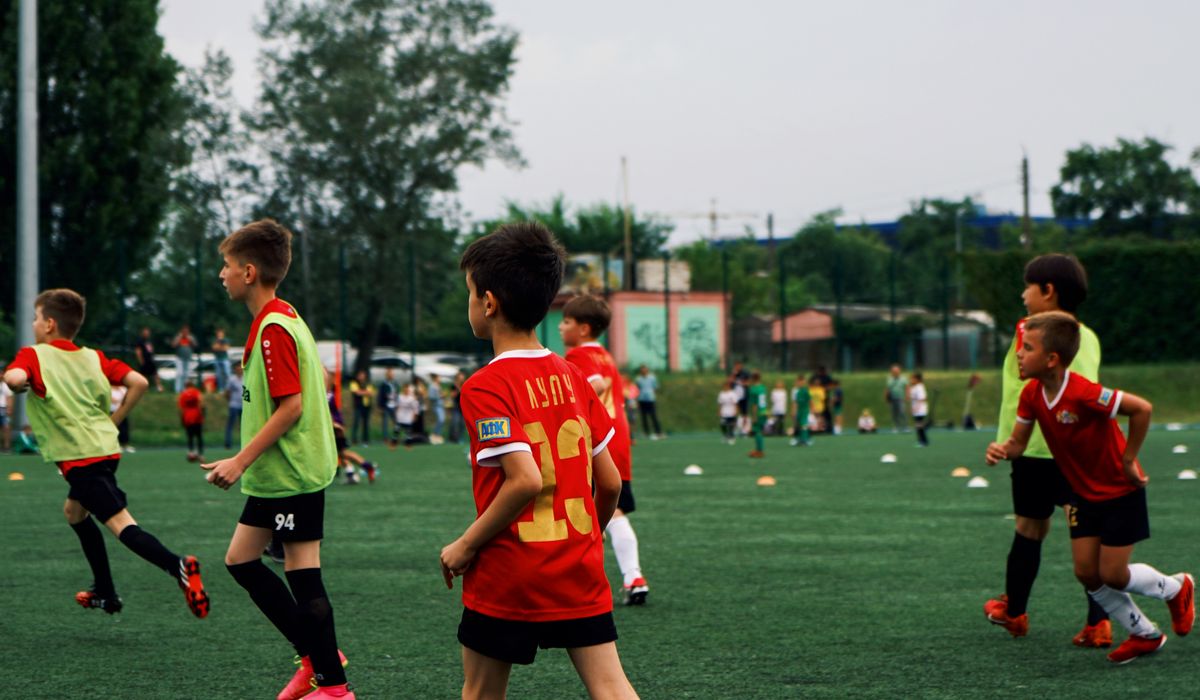
Why fuelling young players is different
Junior footballers are not simply smaller adults. Between the ages of 8 and 16, a player's body is growing, their muscles are developing and their energy demands swing wildly from one day to the next. Add a 70-minute match on a freezing Saturday morning and you have an athlete who can burn through their fuel far faster than most parents expect.
The signs of poor fuelling are easy to spot once you know them: sluggish starts, fading in the second half, complaining of headaches, feeling dizzy, or being unusually grumpy on the way home. Very often it is not fitness or attitude — it is simply an empty tank. The good news is that you do not need sports drinks, powders or anything fancy from a specialist shop. Everyday food, eaten at roughly the right times, does the job beautifully.
What to eat before training or kick-off
Timing matters as much as the food itself. Aim for a proper meal about two to three hours before a session, or a lighter snack roughly an hour before if time has run away from you.
A good pre-match meal is built around carbohydrates for energy, a little protein, and very little fat or fibre, because fat and fibre sit in the stomach and can cause stitch or nausea. Think:
- Porridge made with milk, topped with banana and a drizzle of honey
- Wholemeal toast with peanut butter and a glass of milk
- Pasta with a tomato-based sauce and a small portion of chicken
- Jacket potato with beans and a little grated cheese
- Rice with grilled chicken or fish and soft cooked vegetables
If your child is nervous before a big game, a full plate can feel impossible. In that case, offer a smoothie, a banana and a yoghurt, or a bowl of cereal with milk. Something is always better than nothing. And keep match-day food familiar — a cup final is not the moment to try a new spicy dish.
Half-time: small, quick and easy to digest
Half-time is short, and a heavy snack will sit uncomfortably. Keep it to something small and quick: a few segments of orange, half a banana, a handful of grapes, or a small flapjack if the weather is cold and the session is long. Water is usually all that is needed, though on a very hot day or during a tournament, a diluted squash or a sports drink can help replace lost salts.
Remind players to actually eat and drink. Many children are so busy listening to the coach that they forget entirely.
Hydration: the habit that makes the biggest difference
Dehydration creeps up quietly. A player who is only mildly dehydrated will feel slower, make poorer decisions and tire earlier — and they may not feel thirsty until it is too late.
- Encourage around 500ml of water in the two hours before training or kick-off
- Send a named water bottle to every session, and check it comes home empty
- At half-time, aim for small sips rather than a large glug — roughly 100–200ml
- After the game, water or milk are ideal; avoid fizzy drinks and energy drinks entirely for this age group
Milk deserves a special mention. It is roughly 90% water and contains protein and carbohydrates, making it one of the cheapest and most effective recovery drinks available. Chocolate milk is a firm favourite with junior players for good reason.
Recovery after the final whistle
The 30 to 60 minutes after a match or hard training session is when young bodies are most receptive to refuelling. Get something in reasonably quickly, then follow up with a proper meal within a couple of hours.
A simple recovery snack might be a carton of milk with a banana, a yoghurt with a handful of berries, a cheese and cucumber sandwich, or a bowl of cereal. If the journey home is long, pack it in the bag the night before so it is ready at the final whistle.
Match-day mornings and simple meal ideas
Most grassroots fixtures mean an early start, so plan backwards from kick-off. If you are leaving at 8:30am for a 10am game, breakfast should be finished by around 7:30am. A bowl of porridge, a banana and a glass of water covers it perfectly.
For parents juggling work and multiple children, a little preparation goes a long way:
- Cook extra pasta or rice at dinner and keep a portion for the next day's pre-match meal
- Keep a snack box in the car with bananas, cereal bars, oatcakes and small cartons of milk
- Freeze flapjacks in individual portions — they thaw by half-time
- Fill water bottles the night before and leave them by the front door
Finally, remember that one perfect meal will not transform a player, and one chip-shop tea will not ruin them. What matters is the pattern across the week: regular meals, plenty of colourful vegetables, enough sleep, and water as the default drink. Keep it simple, keep it familiar, and let them enjoy their football.






John Doe
14 January, 2022Having no content in post should have adverse..
Chauffina Carr
10 April, 2022We use these tests all time! Killer stuff!
Jim Séchen
16 July, 2022Thanks for all the comments, everyone!