

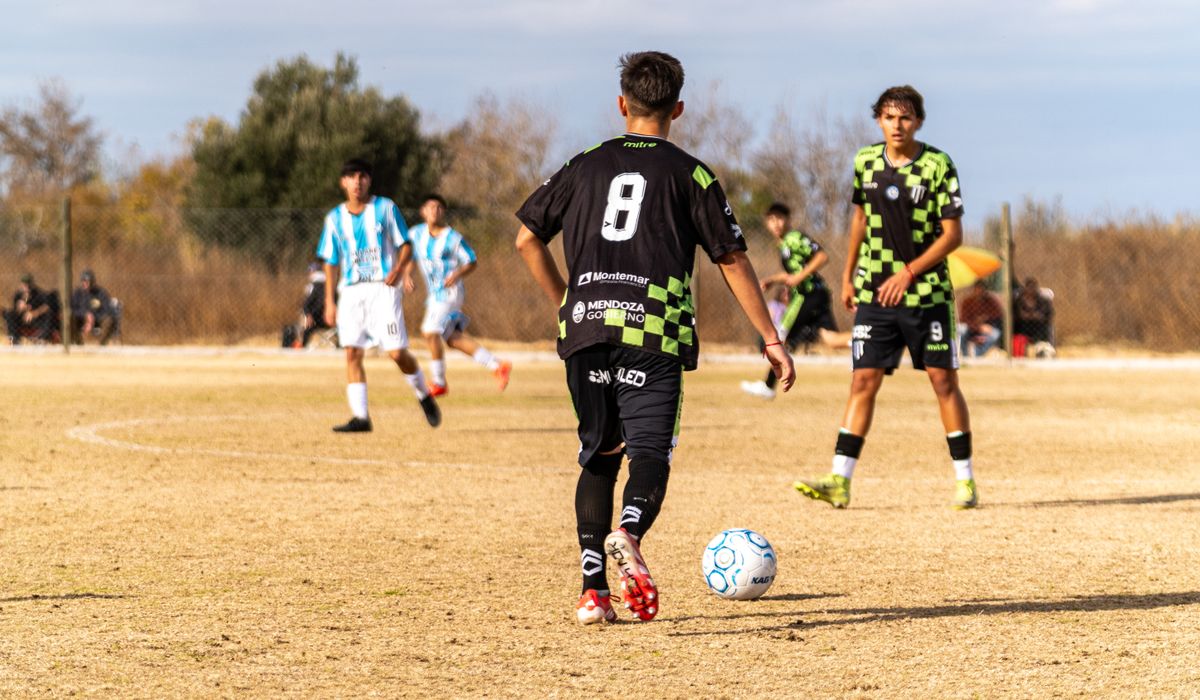
Grassroots youth football is about so much more than winning matches. It is where children learn to love the game, build friendships, and discover what it means to be part of a team. A positive team culture doesn't happen by accident—it is built deliberately, session by session, through the words you use, the behaviours you model, and the values you celebrate. Whether you are a coach, a parent, or a club volunteer, you have the power to shape an environment where every young player feels respected, included, and motivated to give their best. Here's how to make that happen.
Set clear expectations together
From the very first training session, involve your players in creating a simple team agreement. Ask them what respect looks like, sounds like, and feels like on the pitch. Write their ideas down—things like:
- Listen when someone is speaking
- Encourage teammates after mistakes
- Turn up on time, ready to learn
- Never criticise a teammate for trying something new
Keep the language simple and positive—this is about what we do, not what we don't do. Revisit this agreement regularly, especially after a tough match or a difficult week. At the start of every month, spend five minutes asking players if the team is still living up to those expectations. When players help set the rules, they are far more likely to follow them—and to hold each other accountable in a positive way.
Make inclusion and respect non-negotiable
Every child who turns up to training deserves to feel like they belong. That means actively breaking down cliques and ensuring no one is left standing alone during drills. Mix up groups every week so players get to know different teammates. Rotate captains and give every player a responsibility, whether that's leading the warm-up, collecting cones, or choosing the team chant.
Challenge any derogatory or exclusionary language immediately, and do it calmly. A simple "We don't speak to teammates like that in this team" is often enough. Speak to parents early about touchline conduct—cheering effort, not criticising mistakes. When adults model respect, children copy it.
Celebrate effort as much as results
In youth football, the scoreline is the least important thing. What matters is whether players tried their best, supported each other, and improved. Make a point of praising specific effort: "Great tracking back, Ella—that saved us." or "I loved how you kept going after that missed pass, Jack." At the end of each session, ask players to name one teammate who showed great effort or teamwork.
Give an effort award—a simple certificate or a place in the team huddle—rather than only rewarding goalscorers. Remember that some players will never score a goal, but they can still be the most valuable teammate. When effort is the focus, results often take care of themselves, and players stay motivated for the right reasons.
Build culture into your training rituals
Small routines repeated every week send powerful messages. Start every session with a team huddle where players look each other in the eye and share a goal for the session. End with a reflection circle: "What went well? What could we do better?" Use a player of the week voted by teammates for effort, improvement, or kindness—not just skill.
Encourage players to shake hands with coaches and opponents after every match, win or lose. These rituals create a sense of belonging and make the team feel like a family, not just a group of individuals. A consistent finish to every session helps players leave feeling good about themselves and their teammates.
Turn setbacks into learning opportunities
Losing a match, missing a penalty, or falling out with a teammate are all part of the journey. How you respond as a coach sets the tone. Avoid blaming individuals or dwelling on mistakes. Instead, ask questions: "What did we learn? What will we try next time?" If two players argue, bring them together and help them find a solution. If a player is struggling, pair them with a supportive teammate.
Remind parents that their job is to support, not to coach from the touchline. After a defeat, focus on one thing the team did well and one thing to work on. That keeps the emphasis on growth, not guilt. If a player is being too hard on themselves, remind them that mistakes are how we learn.
Why this matters beyond football
A positive team culture doesn't just make for happier training sessions—it builds better people. Players who feel respected and included are more likely to stay in the game, stay active, and carry those values into adulthood. They learn that effort matters more than talent, that teamwork beats individual glory, and that everyone deserves a voice.
As a coach or volunteer, you might not remember every scoreline from this season, but your players will remember how you made them feel. Build that culture deliberately, and you'll create a team that players never want to leave.






John Doe
14 January, 2022Having no content in post should have adverse..
Chauffina Carr
10 April, 2022We use these tests all time! Killer stuff!
Jim Séchen
16 July, 2022Thanks for all the comments, everyone!