

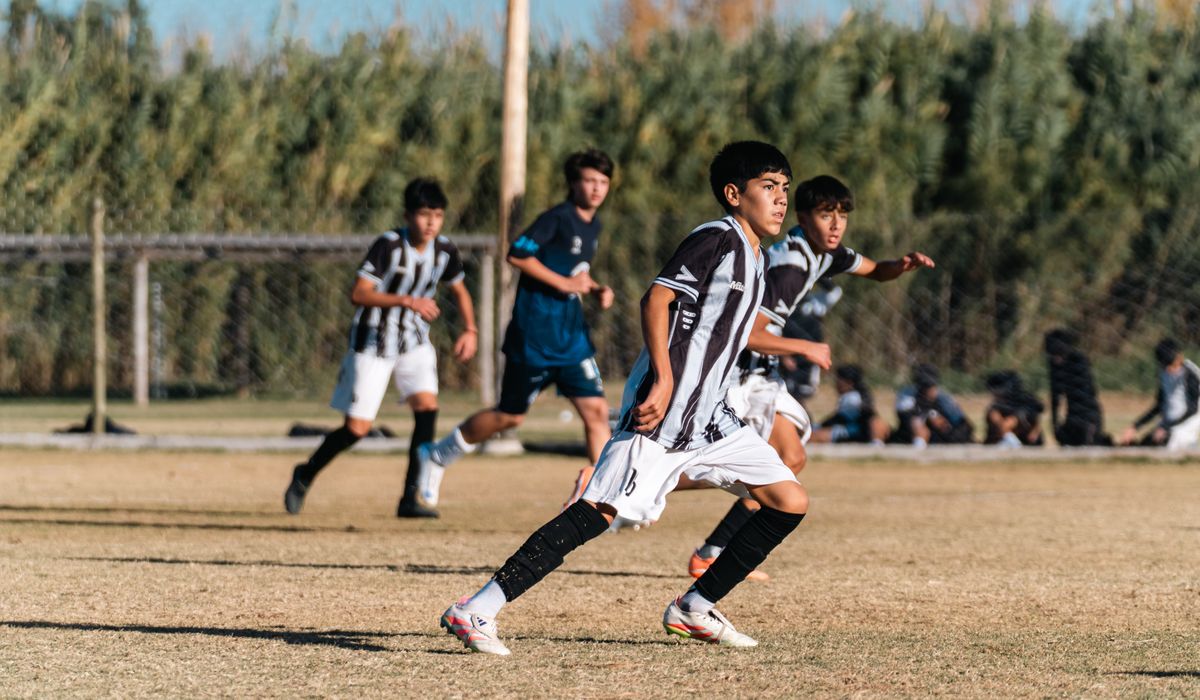
Why young players get hurt differently
Children and teenagers are not simply small adults. Their bones are still growing, and the areas where growth happens — the growth plates near the ends of long bones, and the points where tendons attach — are softer and more vulnerable than the surrounding tissue. That means a knock that would leave an adult with a bruise can, in a 12-year-old, cause irritation to a growth plate that lingers for weeks.
Add in the realities of grassroots football: frozen pitches in January, hard ground in September, mismatched boot sizes, three matches in a weekend, and a child who is desperate not to let the team down. Most injuries we see on a Sunday morning are not dramatic. They are the small, niggling things that get ignored until they become bigger problems. Your job as a parent or coach is not to diagnose. It is to notice, to be honest, and to give a young player permission to stop.
Everyday knocks: bruises, dead legs and cuts
Most of what happens on a grassroots pitch is minor and settles on its own. A dead leg — a direct blow to the thigh muscle — is uncomfortable but usually eases within a few days. Bruises change colour, spread a little, and fade. Grazes and blisters are common, especially in new boots.
- Dead leg: let them walk it off, keep moving gently, avoid heavy sprinting for 48 hours. If the thigh swells hard and they cannot bend the knee, get it checked.
- Bruising: ice for 15–20 minutes, wrapped in a cloth, a few times in the first day. Never ice directly on skin.
- Cuts and grazes: clean with water, cover with a plaster, and check the tetanus status is up to date if the skin was broken by something dirty.
- Blisters: do not burst them. Padding around the blister and a change of socks will usually do the job.
A good rule of thumb: if a child can walk normally, hop on the spot, and jog without limping, a knock is usually safe to play through. If any of those three things are painful, they sit out.
Sprains and strains: the ones that need respect
A sprain is a stretch or tear of a ligament — the tissue connecting bone to bone. In youth football, the ankle is by far the most common, followed by the knee. A strain is the same injury in a muscle or tendon, usually the hamstring, calf or groin. Both tend to happen when a player is tired, when they twist awkwardly, or when they have not warmed up properly.
Signs that this is more than a knock:
- Swelling that appears within an hour or two
- Pain when putting weight on the leg
- A feeling of the joint "giving way"
- Bruising that appears a day or two later, often lower down the leg than the injury itself
- A pop or snap felt at the moment of injury
For the first 48 to 72 hours, keep it simple: protect, rest, ice, compress gently, and elevate. Avoid heat, alcohol (obviously), and massage. Once the sharp pain has settled, gentle movement and a gradual return to walking are better than complete stillness — but "gentle" means no sprinting, no twisting, and no turning out for the match on Saturday.
Red flags: when to stop and seek medical advice
Most minor injuries can be managed at home. Some cannot, and it is far better to be the parent who "overreacted" than the one who waited a fortnight. Seek medical advice the same day if you see any of the following:
- The player cannot bear weight on the leg at all, or cannot take four steps
- The limb looks obviously deformed, or a joint is locked and will not move
- Numbness, tingling, or a cold, pale foot or hand below the injury
- Severe pain that is not settling, or pain that is getting worse rather than better
- Any head injury with confusion, vomiting, drowsiness, blurred vision, or memory loss — this needs urgent assessment, not a rest on the bench
- Pain in a specific point on a bone that persists for more than a week, especially in a child going through a growth spurt
For anything less urgent, your GP, a minor injuries unit, or a physiotherapist with experience of young athletes are all sensible first stops.
Rest, return and the awkward conversation
Rest is a treatment, not a punishment. A fortnight off now is far better than six months of recurring trouble. But rest needs to be real: no "just playing up front for ten minutes", no PE, no kicking a ball against a wall in the garden. And it needs a plan — a player who is told only what they cannot do will drift and lose confidence.
When they are ready, build back in stages. Start with walking, then jogging in straight lines, then running and changing direction, then passing and shooting, then contact, then full training, then a match. Each stage should be pain-free before moving up. If pain returns, drop back a stage rather than pushing through.
Talk to the coach early. Most grassroots coaches would far rather know that a player is managing a knee than find out when it gives way in the second half. Finally, remember that a young player's best protection against injury is unglamorous: a proper warm-up, boots that fit, enough sleep, decent food, and not playing every single minute of every single match. Look after the small things and the big injuries get rarer.


John Doe
14 January, 2022Having no content in post should have adverse..
Chauffina Carr
10 April, 2022We use these tests all time! Killer stuff!
Jim Séchen
16 July, 2022Thanks for all the comments, everyone!