

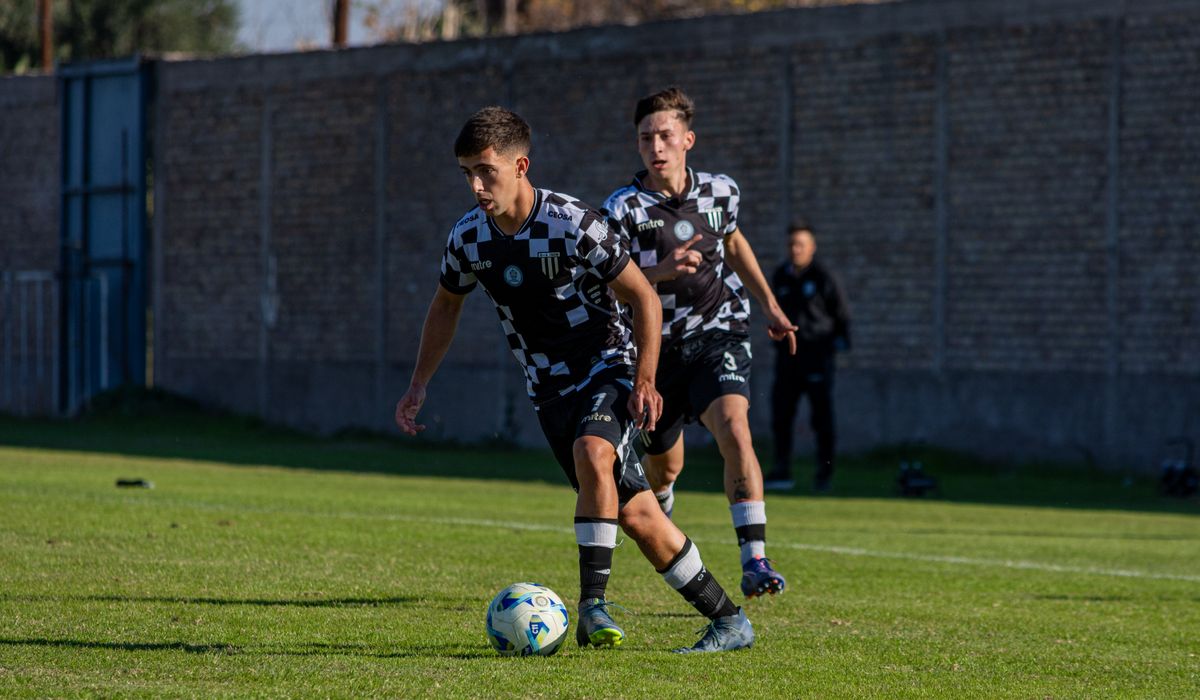
Why Boots Matter More Than Most Parents Realise
Walk along any touchline on a Saturday morning and you will see the same thing: children charging about in boots that are either half a size too small, inherited from an older sibling, or bought two seasons ago because "they still fit". It is completely understandable. Children's feet grow quickly, kit is expensive, and the priority is usually getting them to training on time with two matching socks.
But boots are the only piece of equipment that sits directly between your child and the pitch. They affect how they run, how they turn, how confidently they strike a ball, and whether they finish a session with dry, comfortable feet or a blister that puts them off for a fortnight. A little attention here pays off in a big way.
Fit Comes First, Every Time
If you take one thing from this article, make it this: fit matters more than brand, colour or price. A child in well-fitted boots from a modest range will be far more comfortable and stable than a child in premium boots that are the wrong shape for their feet.
A few practical checks you can do in the shop:
- Thumb's width at the toe. There should be roughly a thumb's width between the end of the longest toe and the front of the boot. Children's feet slide forward when they sprint, and if there is no room, toenails take the punishment.
- Heel lock. With the laces tied, the heel should sit firmly at the back with minimal lifting. If the heel slides up and down, blisters will follow, no matter how good the socks are.
- Width across the forefoot. Feet should not feel pinched across the widest part. If your child has wider feet, look for brands or styles described as having a wider fit rather than simply sizing up.
- Try them with match socks. Football socks are thicker than everyday socks. Bring a pair along, or ask to try the boots on with the socks your child actually wears.
- Check them later in the day. Feet swell slightly through the day and after activity. A boot that feels fine at 9am may feel tight after an hour of running.
It is also worth remembering that boots do not need to be "grown into". A boot that is too big causes the foot to slide, which affects balance and increases the risk of rolled ankles and blisters.
Understanding Studs and Soleplates
Stud design is the part parents most often overlook, yet it is directly tied to safety. The wrong studs on the wrong surface mean less grip, more slipping, and a higher chance of injury.
- Moulded blades or short studs (FG). The standard choice for firm, well-maintained grass. Good for most UK grassroots pitches in autumn and spring.
- Longer metal or firm-ground studs (SG). Designed for soft, wet, muddy winter pitches. Great grip on heavy ground, but on hard surfaces they offer very little cushioning and can be uncomfortable or even risky.
- Artificial grass (AG) soles. Made for 3G and 4G surfaces. They have more, shorter studs to spread load across the foot, which reduces stress on joints and ankles compared with firm-ground boots on the same surface.
- Astro turf trainers. Ideal for flat, rubber-crumb pitches and indoor halls. Lightweight and comfortable, but they will not give you grip on wet grass.
Many children turn up week after week in one pair of firm-ground boots regardless of the surface. If your child plays regularly on 3G, a dedicated pair of artificial-grass boots is one of the most sensible investments you can make. If they play through a muddy winter on grass, having a soft-ground option is genuinely worthwhile.
Comfort, Blisters and the Little Details
Most boot-related misery comes down to friction and moisture. Address both and you will eliminate the majority of blisters.
- Choose the right socks. Moisture-wicking football socks, not cotton. Cotton holds sweat, which softens the skin and makes it far more likely to blister.
- Consider grip socks. These have small rubber pads on the sole and inside the boot to reduce movement. Many children find them comfortable and they help with stability.
- Break boots in gradually. A short training session before a full match. Wear them around the house for twenty minutes at a time if the leather is stiff.
- Keep nails trimmed. Long toenails plus a snug toe box equals bruising and, occasionally, lost nails.
- Dry boots properly. Air them at room temperature, stuff them with newspaper, and keep them away from radiators. Heat warps the soleplate and shrinks the upper.
When to Replace Them
Children's feet can grow a full size or more in a year, and growth spurts often happen without warning. Check the fit every couple of months rather than assuming last season's pair still works.
Signs it is time for new boots:
- Toes pressing against the front, or your child curling their toes when they run.
- Heel slipping that cannot be fixed by tightening laces or changing socks.
- Cracked or separating soleplates, which reduce grip and can catch on the turf.
- Worn-down studs that no longer bite into the surface.
- Uppers that have stretched so much the boot no longer holds the foot securely.
A Small Investment in Enjoyment
Good boots will not turn a child into a better player overnight, but bad ones will quietly chip away at their enjoyment. Aching feet, blisters and slipping on a wet pitch are the sort of small frustrations that make a child decide they would rather not play at all.
Get the fit right, match the studs to the surface, and look after the boots once you have them. It is a modest bit of effort that keeps children comfortable, confident and moving safely, which is exactly what grassroots football should be about.





John Doe
14 January, 2022Having no content in post should have adverse..
Chauffina Carr
10 April, 2022We use these tests all time! Killer stuff!
Jim Séchen
16 July, 2022Thanks for all the comments, everyone!