

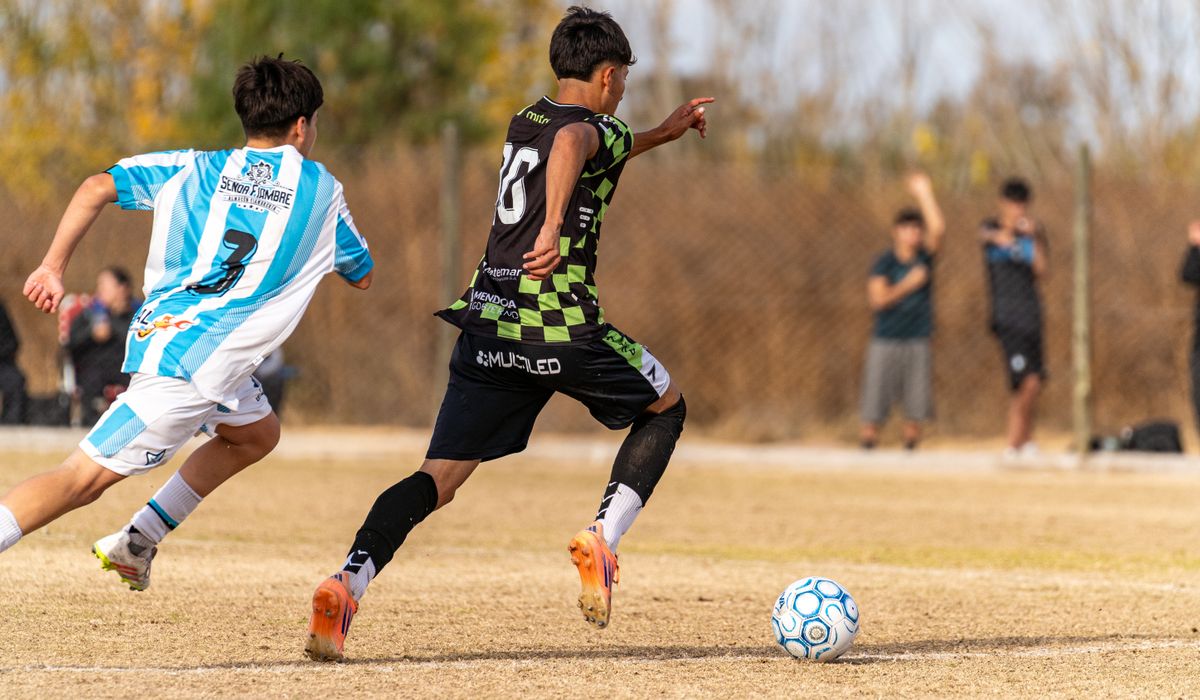
Sort the paperwork before the first whistle
The instinct at the start of pre-season is to grab a bag of balls and get the children running. Resist it for a week. The admin that sits behind every junior club is what keeps the season running smoothly from September to May, and it is far easier to tackle in July than in the middle of a fixture pile-up.
Begin with player registrations. Most county associations open their registration windows well before the first ball is kicked, and leagues set their own deadlines for squad lists. Chase parents early — a message in the club group in early July saves a frantic phone call on the eve of the first match. Make sure contact details, medical information and any photography consents are up to date before the season starts, not after.
- Safeguarding: check every coach, assistant and volunteer holds a valid DBS certificate and that expiry dates are logged where the whole committee can see them.
- First aid: confirm each age group has at least one qualified first-aider and that certificates have not lapsed over the summer.
- Insurance: verify public liability cover is current and covers any new activities you have planned.
- Affiliation: pay the league and county fees, and download the handbook so you know the rules before you need them.
Audit the kit while the weather is kind
A wet Tuesday in October is the wrong time to discover you are three shirts short for the under-12s. Empty every kit bag, count what you have, and write it down somewhere the whole committee can find it.
- Match kit: count shirts, shorts and socks by size. Check for fading, split seams and missing numbers. Anything beyond repair becomes training kit.
- Balls: pump them up, feel for soft spots and check the stitching. A club can never have too many size 3 and 4 balls.
- Training equipment: cones, flat markers, bibs, poles and ladders. Throw away the cracked ones — they are a trip hazard.
- Goals and nets: inspect posts for rust and sharp edges, check nets for holes, and make sure anchor pegs are present. Goalpost safety is not negotiable.
- First aid: restock plasters, ice packs, bandages and gloves. Add a spare pair of cold-weather gloves for the touchline.
Order replacements early. Grassroots suppliers run out of popular sizes in August, and a late order can mean mismatched kit for the first month of fixtures. Label storage clearly and tell coaches where everything lives — a simple shared inventory saves a dozen messages a month.
Lock in training venues and pitch time
Pitch hire is the most competitive part of grassroots football. Council pitches and school facilities release their slots early, and floodlit 3G courts disappear by August. Book your winter training venue now, even if it feels excessive in the sunshine — you will be grateful in November.
Once the slots are confirmed, build a pre-season plan. Four to six weeks works well for most junior sides:
- Weeks one and two: light sessions focused on ball mastery, fun games and getting to know new teammates.
- Weeks three and four: small-sided games, possession drills and gentle conditioning. Introduce your shape and pressing principles.
- Weeks five and six: match-realistic practices, set pieces and a full eleven-a-side run-out.
Keep the youngest age groups playful. Fun is the point, and fitness comes naturally when children are chasing a ball. For older teams, explain why you are doing what you are doing — teenagers buy into a plan they understand.
Sort out coach-to-player ratios too. A common guideline is one adult to every eight children for younger age groups and one to twelve for older teams, but always check your county's guidance. If you are short, ask parents to take the free coaching courses many county associations run — it is often the fastest route to a second pair of hands.
Arrange friendlies that actually help
Friendly fixtures are where the season takes shape. Aim for two or three before the league kicks off, spaced a week apart, and pick opponents carefully. A heavy defeat in the first week can dent confidence; a walkover teaches nothing. Ideally, mix one fixture against a side you would expect to beat with one against a stronger opponent.
- Confirm the referee early and agree the fee in advance.
- Share venue details, parking notes and kick-off time with parents at least a week before.
- Agree rolling substitutions and equal playing time for younger age groups — friendlies are for development, not silverware.
- Bring a printed team sheet and a spare ball or two.
After each friendly, take ten minutes with your coaching team to review what worked. Note the positions where you are short and the players who need extra support in training. These early observations shape the next month of sessions far better than any plan written in isolation.
Communicate clearly and welcome new families
Nothing causes more friction at a junior club than unclear messages. Pick one channel — a club app, a group chat, a weekly email — and stick to it. Duplicated information across three platforms is how parents miss a fixture.
Hold a short pre-season meeting or send a welcome pack covering term dates, training times, match-day arrival expectations, subscription payments and the kit list. Be explicit about playing time, behaviour on the touchline and the roles you need help with. Most parents want to contribute; they just need to be asked directly.
Finally, look after your volunteers. Check in with coaches before the season starts, share the workload fairly, and thank people properly. A club that looks after its people will still be running long after the last match of the season.






John Doe
14 January, 2022Having no content in post should have adverse..
Chauffina Carr
10 April, 2022We use these tests all time! Killer stuff!
Jim Séchen
16 July, 2022Thanks for all the comments, everyone!